
Tropical timber species
13 tropical timber species
Preserve the carbon footprint, use the filters one by one, to avoid too many requests!
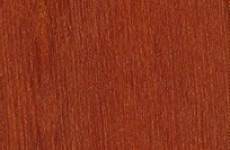
MAÇARANDUBA
Product classes (uses):
Product classes (uses):
- Structures and panels
- Exterior joinery (building facade)
- Carpentry and interior fittings
- Outdoor equipment - recreation
- Industrial usage and heavy work
- Shipbuilding
- Miscellaneous uses
Job class:
Uses Class 4
Class of resistance to fungi:
Class 1 - very durable
Specific gravity (at 12% of wood moisture):
1.1
Resistance to marin borer:
Yes - covers end-uses in marine environment or in brackish water
Finishing:
No registration
Average longitudinal modulus of elasticity (moisture at 12%):
24410
Color:
Red brown
Origin:
South America, Central America
Stability:
Moderately stable
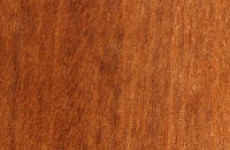
MAKORE
Product classes (uses):
Product classes (uses):
- Structures and panels
- Exterior joinery (building facade)
- Carpentry and interior fittings
- Outdoor equipment - recreation
- Industrial usage and heavy work
- Shipbuilding
- Miscellaneous uses
Job class:
Uses Class 4
Class of resistance to fungi:
Class 1 - very durable
Specific gravity (at 12% of wood moisture):
0.67
Resistance to marin borer:
Yes - covers end-uses in marine environment or in brackish water
Finishing:
No registration
Average longitudinal modulus of elasticity (moisture at 12%):
13450
Color:
Red brown
Origin:
Africa
Stability:
Moderately stable - Stable
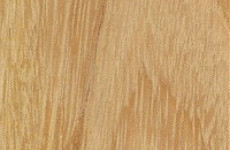
MANDIOQUEIRA
Product classes (uses):
Product classes (uses):
- Structures and panels
- Exterior joinery (building facade)
- Carpentry and interior fittings
- Industrial usage and heavy work
- Shipbuilding
- Miscellaneous uses
Job class:
Uses Class 2
Class of resistance to fungi:
Class 3 - moderately durable
Specific gravity (at 12% of wood moisture):
0.74
Resistance to marin borer:
No - cannot be used in marine environment or in brackish water
Finishing:
No registration
Average longitudinal modulus of elasticity (moisture at 12%):
19400
Color:
Pinkish brown
Origin:
South America, Central America
Stability:
Poorly stable
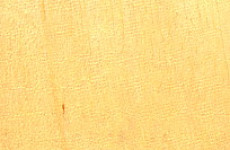
MARUPA
Product classes (uses):
Product classes (uses):
- Structures and panels
- Carpentry and interior fittings
- Miscellaneous uses
Job class:
Uses Class 1
Class of resistance to fungi:
Class 5 - not durable
Specific gravity (at 12% of wood moisture):
0.41
Resistance to marin borer:
No - cannot be used in marine environment or in brackish water
Finishing:
No registration
Average longitudinal modulus of elasticity (moisture at 12%):
10070
Color:
Creamy white
Origin:
South America, Central America
Stability:
Stable
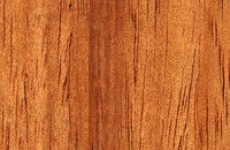
MENGKULANG
Product classes (uses):
Product classes (uses):
- Structures and panels
- Exterior joinery (building facade)
- Carpentry and interior fittings
- Industrial usage and heavy work
- Miscellaneous uses
Job class:
Uses Class 2
Class of resistance to fungi:
Class 4 - poorly durable
Specific gravity (at 12% of wood moisture):
0.68
Resistance to marin borer:
No - cannot be used in marine environment or in brackish water
Finishing:
No registration
Average longitudinal modulus of elasticity (moisture at 12%):
14450
Color:
Brown
Origin:
Asia, Oceania
Stability:
Moderately stable
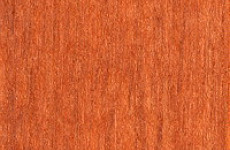
MERANTI DARK RED
Product classes (uses):
Product classes (uses):
- Structures and panels
- Exterior joinery (building facade)
- Carpentry and interior fittings
- Industrial usage and heavy work
- Shipbuilding
- Miscellaneous uses
Job class:
Uses Class 2
Class of resistance to fungi:
Class 2 to 4 - durable to poorly durable
Specific gravity (at 12% of wood moisture):
0.68
Resistance to marin borer:
No - cannot be used in marine environment or in brackish water
Finishing:
No registration
Average longitudinal modulus of elasticity (moisture at 12%):
13020
Color:
Dark red
Origin:
Asia, Oceania
Stability:
Stable
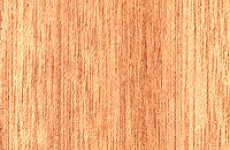
MERANTI LIGHT RED
Product classes (uses):
Product classes (uses):
- Structures and panels
- Exterior joinery (building facade)
- Carpentry and interior fittings
- Miscellaneous uses
Job class:
Uses Class 2
Class of resistance to fungi:
Class 3 to 4 - moderately to poorly durable
Specific gravity (at 12% of wood moisture):
0.5
Resistance to marin borer:
No - cannot be used in marine environment or in brackish water
Finishing:
No registration
Average longitudinal modulus of elasticity (moisture at 12%):
13620
Color:
Light red
Origin:
Asia, Oceania
Stability:
Moderately stable - Stable
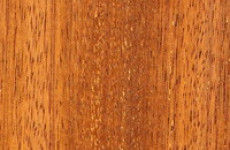
MERBAU
Product classes (uses):
Product classes (uses):
- Structures and panels
- Exterior joinery (building facade)
- Carpentry and interior fittings
- Outdoor equipment - recreation
- Industrial usage and heavy work
- Shipbuilding
- Miscellaneous uses
Job class:
Uses Class 4
Class of resistance to fungi:
Class 1 to 2 - very durable to durable
Specific gravity (at 12% of wood moisture):
0.83
Resistance to marin borer:
No - cannot be used in marine environment or in brackish water
Finishing:
No registration
Average longitudinal modulus of elasticity (moisture at 12%):
15440
Color:
Brown
Origin:
Asia, Oceania
Stability:
Stable
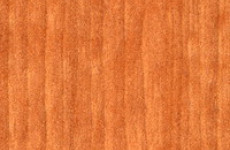
MOABI
Product classes (uses):
Product classes (uses):
- Structures and panels
- Exterior joinery (building facade)
- Carpentry and interior fittings
- Outdoor equipment - recreation
- Industrial usage and heavy work
- Miscellaneous uses
Job class:
Uses Class 4
Class of resistance to fungi:
Class 1 - very durable
Specific gravity (at 12% of wood moisture):
0.87
Resistance to marin borer:
Yes - covers end-uses in marine environment or in brackish water
Finishing:
No registration
Average longitudinal modulus of elasticity (moisture at 12%):
21040
Color:
Red brown
Origin:
Africa
Stability:
Moderately stable
MONGHINZA
Product classes (uses):
Product classes (uses):
- Structures and panels
- Exterior joinery (building facade)
- Carpentry and interior fittings
- Outdoor equipment - recreation
- Industrial usage and heavy work
- Shipbuilding
- Miscellaneous uses
Job class:
Uses Class 4
Class of resistance to fungi:
Class 1 - very durable
Specific gravity (at 12% of wood moisture):
1
Resistance to marin borer:
Yes - covers end-uses in marine environment or in brackish water
Finishing:
No registration
Average longitudinal modulus of elasticity (moisture at 12%):
21300
Color:
Red brown
Origin:
Africa
Stability:
Moderately stable
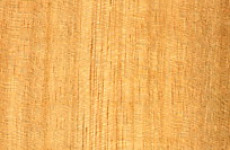
MOVINGUI
Product classes (uses):
Product classes (uses):
- Structures and panels
- Exterior joinery (building facade)
- Carpentry and interior fittings
- Industrial usage and heavy work
- Miscellaneous uses
Job class:
Uses Class 2
Class of resistance to fungi:
Class 3 - moderately durable
Specific gravity (at 12% of wood moisture):
0.73
Resistance to marin borer:
No - cannot be used in marine environment or in brackish water
Finishing:
No registration
Average longitudinal modulus of elasticity (moisture at 12%):
14740
Color:
Yellow
Origin:
Africa
Stability:
Moderately stable - Stable
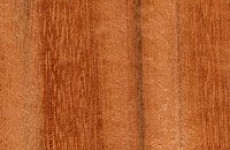
MUIRACATIARA
Product classes (uses):
Product classes (uses):
- Structures and panels
- Exterior joinery (building facade)
- Carpentry and interior fittings
- Outdoor equipment - recreation
- Industrial usage and heavy work
- Miscellaneous uses
Job class:
Uses Class 4
Class of resistance to fungi:
Class 1 - very durable
Specific gravity (at 12% of wood moisture):
0.8
Resistance to marin borer:
No - cannot be used in marine environment or in brackish water
Finishing:
No registration
Average longitudinal modulus of elasticity (moisture at 12%):
16500
Color:
Dark brown
Origin:
South America, Central America
Stability:
Poorly stable
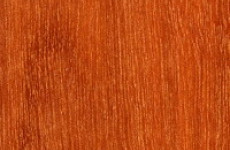
MUKULUNGU
Product classes (uses):
Product classes (uses):
- Structures and panels
- Exterior joinery (building facade)
- Carpentry and interior fittings
- Outdoor equipment - recreation
- Industrial usage and heavy work
- Miscellaneous uses
Job class:
Uses Class 4
Class of resistance to fungi:
Class 1 - very durable
Specific gravity (at 12% of wood moisture):
0.94
Resistance to marin borer:
Yes - covers end-uses in marine environment or in brackish water
Finishing:
No registration
Average longitudinal modulus of elasticity (moisture at 12%):
17060
Color:
Red brown
Origin:
Africa
Stability:
Poorly stable
Nomenclature générale des bois tropicaux - 7ème édition - 2016

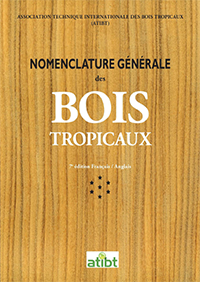
For 60 years, ATIBT has established and updated a nomenclature of tropical woods corresponding to each botanical species with an internationally recognized pilot name.